Exciting Occupations: The Path to Success as an Electrical Technician
Getting started as an electrician is not just about dealing with wires and fixtures; it is focused on building a career that is simultaneously rewarding and essential in today's rapidly electrified environment. As a result of the growing prevalence of smart household technology and renewable power sources, electricians are at the forefront of innovation, making their expertise in high demand than ever. If you are starting your career in this field or looking to enhance your abilities, understanding the details of wiring systems and safety protocols is crucial.
In this article, we will examine various aspects of a successful career as an electrician, from mastering residential coding standards to troubleshooting common household wiring problems. We will analyze key practices for setting up outlets and switches properly, selecting the right wire gauge, and navigating service panel components. Additionally, we will briefly look on current challenges such as intelligent home systems and the importance of GFCIs. Come with us as we uncovering the electrifying path to success in this important industry.
Grasping Wiring Regulations and Safety Standards
Wiring regulations and safety guidelines are crucial principles that guarantee power systems are safely installed and operate efficiently. The National Electrical Code is the primary directive used in the United States, detailing the obligations for reliable power installations. Grasping these codes is important for electricians, as they include everything from the permissible materials to the circuit setups. Compliance with these regulations helps prevent electrical dangers such as electrical shocks, fires, and malfunctions.
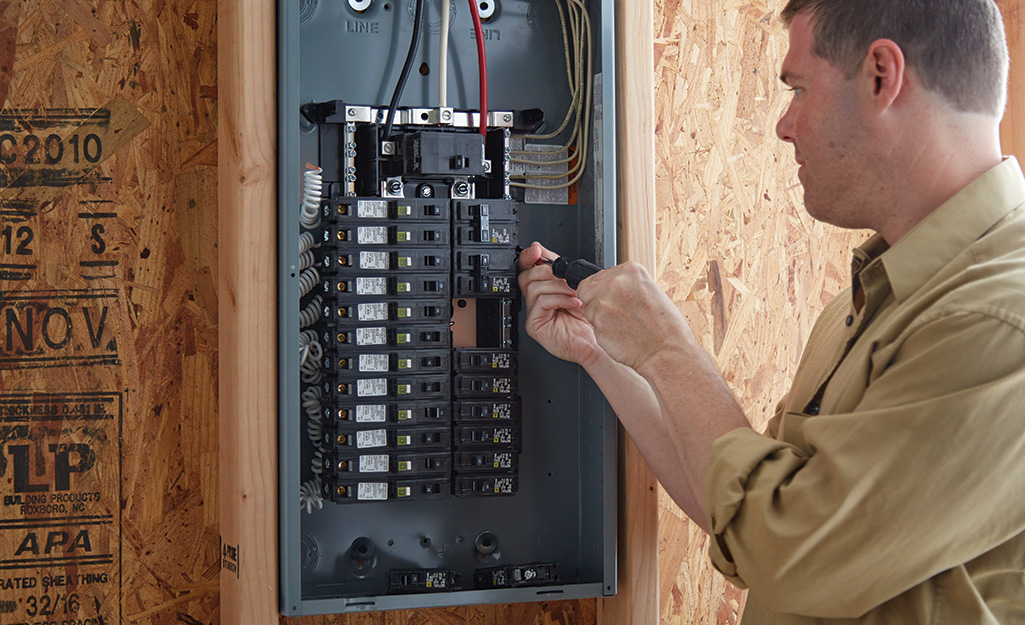
Trained electricians must remain informed with any changes to the regulations, which can change periodically to reflect emerging technologies and research on safety. Awareness of these regulations is essential not only for conformance; it's also crucial for building trust of customers who depend on professionals to keep their homes and properties safe. Regular professional development are required to ensure that electricians are familiar with the most current standards and recommended practices within their jurisdiction.
In addition to national codes, local ordinances may set forth extra safety requirements that must also be adhered to. Licensed electricians should acquaint themselves with both categories of standards to provide complete solutions. Comprehending the application of these codes into daily operations allows tradespeople to create setups that are not only effective but also enhance safety for everyone using the electrical systems.
Addressing Common Electrical System Issues
One of the most frequent problems with electricity is circuit breaker trips. This can happen when there is an overload in circuits, often due to excessive equipment drawing power at once. Fixing this issue usually requires removing some gadgets, but it’s important to explore why the breaker tripped in the first place. An electrical expert should inspect for faulty appliances or wiring faults that could consistently trigger the breaker, to ensure that the home’s electrical system remains working properly.
Another common problem is flickering lights, which can be irritating and troubling. This can often be attributed to loose connections, inferior light bulbs, or issues within the electrical circuit. Homeowners should start by inspecting the bulbs and light fixtures for any signs of wear or looseness. If the concern persists, it may be necessary to examine the wiring and connections to verify that all components are secure and working. Resolving flickering lights quickly can avert additional issues down the line.
Intermittent power issues can be particularly tricky to detect since they may not occur consistently. One potential cause is unsecured connections in junction boxes or within the main power panel. Homeowners should thoroughly inspect all connections, particularly if they notice power cuts in certain parts of the house. Additionally, checking for https://bm-electrical.uk/ of deterioration in older wiring or the influences of the elements can help locate the issue. When in doubt or when difficulties remain, calling a licensed electrician is always the safest course of action to ensure safety and compliance with electrical codes.
Best Techniques for Electric Setups
When undertaking electrical installations, adhering to local residential wiring codes and safety standards is paramount. This ensures not only conformity with regulations but also the protection of the residents. Electricians should remain aware about any code compliance updates that may affect their work, as these can alter on an annual basis. Understanding these codes helps avoid potential hazards and ensures that installations fulfill all necessary legal requirements.
Choosing the right materials and tools is important for a successful electrical installation. For example, selecting the suitable gauge wire for various circuits ensures safe and effective electrical flow. Additionally, components like Ground Fault Circuit Interrupters (GFCIs) and Arc Fault Circuit Interrupters (AFCIs) play critical roles in preventing electrical hazards. Correct installation of these devices, along with other best practices, can secure homes from potential electrical faults that may arise from outdated or improper wiring.
Ultimately, effective troubleshooting techniques are necessary for finding and resolving challenges that can arise after installation. Electricians should be ready to handle common problems like tripped breakers, flickering lights, and low voltage wiring issues for safety systems. Knowing when to inform homeowners to call a licensed electrician versus attempting do-it-yourself repairs not only builds trust but also boosts the ongoing safety and functionality of the electrical system. Adhering to these best practices will help create well-functioning, safe, and lasting electrical installations.