The Time's Finest: Reasons Why Paver Cleaning Must Be Your Next Do-It-Yourself Project
As the summer draws to a conclusion and the outdoor time transitions, at this moment is the ideal time to consider your upcoming DIY project: paver cleaning. The tiled pathways and terraces that improve your home's curb appeal are often susceptible to dirt, mold, and stubborn stains. A thorough cleaning not only refreshes their appearance but also prolongs the durability of your outdoor surfaces, making it a rewarding endeavor for any property owner.
In this write-up, we will discuss why tackling paver cleaning is a worthwhile effort. From recognizing the signs that your pavers require a deep clean to understanding the significance of sealing and maintaining them, we will guide you through all you need to know. Get prepared to revamp your outdoor area and safeguard your investment with the right techniques and advice for paver cleaning.
Signs Your Pavers Need Cleaning
A clear sign that your pavers need cleaning is the visible accumulation of dirt and grime. Over time, the elements can lead to a buildup of residue that dulls the appearance of your pavers. If you see that your once vibrant surface has become dull or faded, it is time to consider a thorough cleaning. This buildup not only impacts aesthetics but can also hold moisture, leading to potential damage over time.
Another key indicator is the sight of weeds or moss developing between the pavers. These unwanted plants not only detract from the aesthetic appeal of your outdoor space but also indicate that debris has collected and created a nurturing environment for them to thrive. Regular cleaning helps eliminate this debris and can prevent future growth, enabling your outdoor area to look its best throughout the year.
Furthermore, if you spot persistent stains—especially from oil or grease—it is crucial to act promptly. These stains can become embedded in the surface of your pavers and may require specialized treatments to remove them properly. Leaving such stains untreated not only affects the paver's look but can also damage the material over time. If https://perfectpaverco.com/ ’re faced with these problems, it's a clear sign that your pavers are in need of a deep clean.
Strategies and Best Practices
To effectively clean your pavers, it is crucial to start with the right tools and techniques. Using a pressure washer is frequently used, but homeowners should be aware of potential hazards. High-pressure turbo nozzles can unintentionally damage the surface of pavers if not used properly. It's recommended to use a wide-angle nozzle instead for more controlled cleaning. Start from the uppermost point of your surface and work downwards to avoid streaks and ensure that dirt is washed away effectively.
When addressing stubborn oil stains, a targeted approach is necessary. First, apply an absorbent material such as kitty litter or sodium bicarbonate to soak up the oil. After allowing it to rest, use a specialized paver cleaner that is sustainable to minimize damage to surrounding plants. For particularly tough stains, consider using a mixture of hot water and mild detergent. Scrubbing carefully with a brush can help lift the stains without altering the finish of your pavers.
Post-cleaning, sealing your pavers is essential for longevity and maintenance. Understanding the difference between wet-look and flat sealers can help you choose the right finish for your outdoor space. Wet-look sealers boost color and shine, while matte sealers provide a more natural appearance. After cleaning, ensure that the paver joint sand is properly replaced with polymeric sand to prevent weed growth and erosion. Regular maintenance, including resealing, can help keep your pavers looking vibrant and prolong their lifespan.
Maintenance Tips for Durability
To ensure the durability of your stone pavers, regular cleaning and sealing are important. It is suggested to clean and protect your stone pavers at least at least 2 to 3 years, depending on the conditions and usage. This not only helps preserve their appearance but also shields them from damage caused by fungus, algae, and various elements. A well-maintained surface will resist stains better and make routine cleaning much easier.
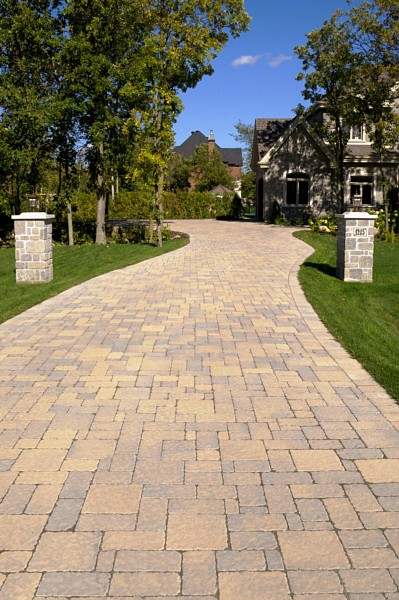
Another key aspect of brick care is tackling the growth of weeds. Weeds can interrupt the integrity of your paver seams, leading to shifting and uneven surfaces. To prevent weeds at bay, think about using polymeric sand after your pavers have been washed. This type of sand sets when wet, forming a barrier against weed growth while still allowing drainage. Regularly checking your paver joints and adding sand as necessary will help maintain their structure.
Finally, be aware of the cleaning solutions you select. Opt for environmentally friendly detergents that are non-toxic for plants and wildlife, especially if your pavers are near garden areas. When using a pressure washer, use the appropriate methods to prevent damaging the pavers. Steer clear of high-pressure power nozzles, as they can strip the surface and lead to costly repairs. Following these maintenance tips will help prolong the life of your pavers and ensure them in great condition for years to follow.